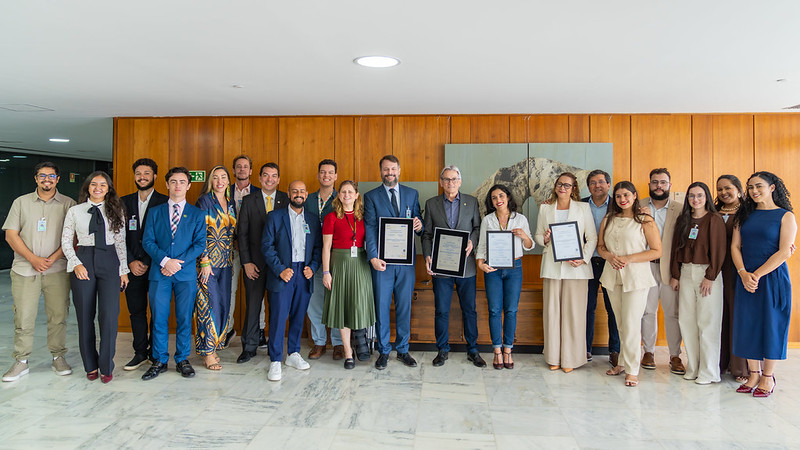






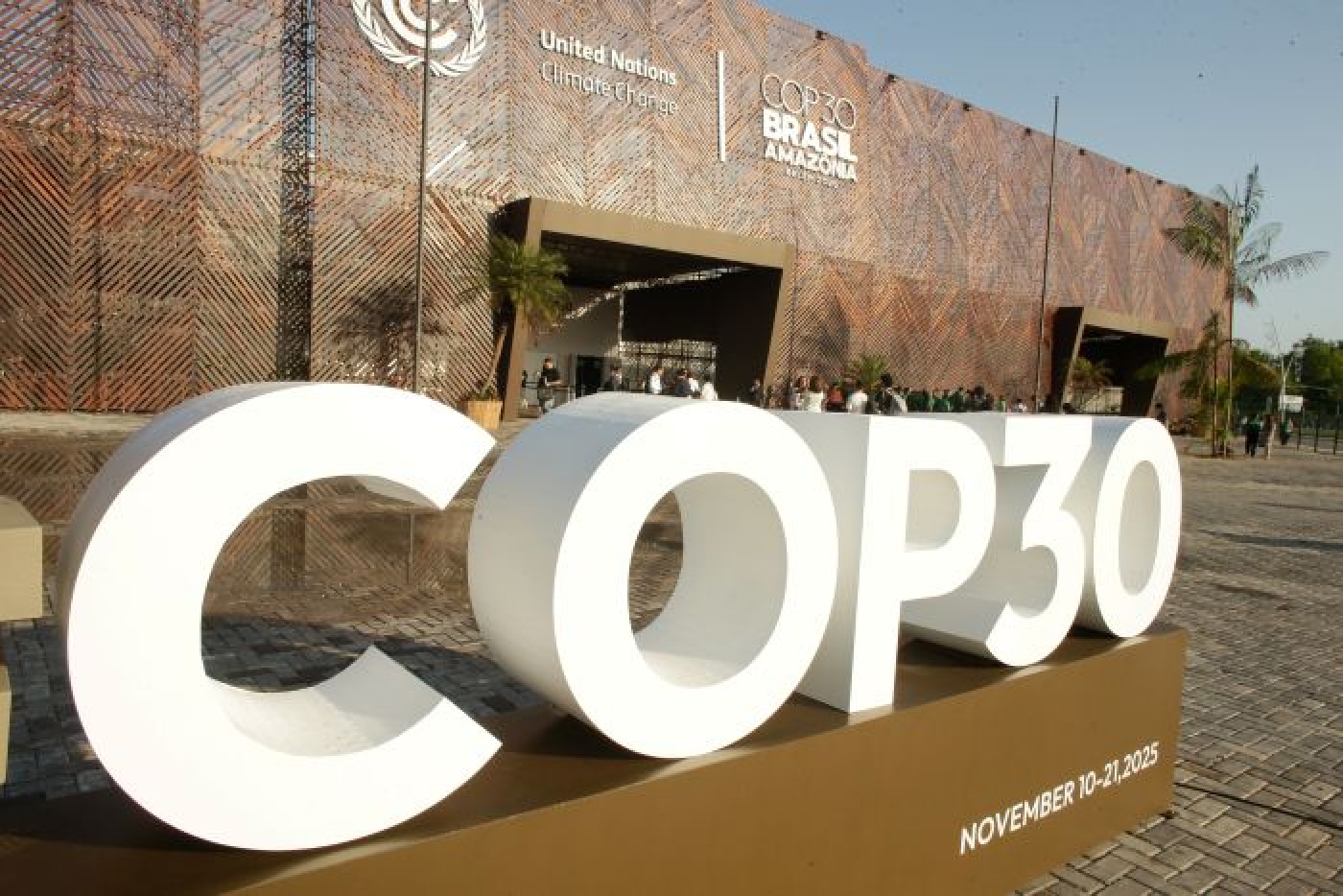
The 30th Conference of the Parties to the United Nations Framework Convention on Climate Change (COP30), held in November 2025 in Belém do Pará, Brazil, successfully completed an independent external audit conducted by APCER Brazil, achieving carbon neutrality verification according to ISO 14068‑1 and Sustainable Event Management System certification according to ISO 20121.
The carbon neutrality verification, performed in accordance with ISO 14068‑1 requirements, followed a structured, transparent, and technically rigorous process compatible with the scale and complexity of one of the largest international events dedicated to climate action. This international benchmark establishes clear guidelines for the quantification, reduction, and offsetting of greenhouse gas (GHG) emissions, ensuring the credibility of claims related to carbon neutrality.
For COP30, the process included a detailed analysis of direct and indirect emissions associated with the event, covering international mobility, temporary infrastructure, energy consumption, and logistical operations. The implemented reduction measures and the offsetting of residual emissions with verified, traceable carbon credits aligned with international best practices were also assessed.
In parallel, the Sustainable Event Management System certification, according to ISO 20121, confirms the existence of a robust management framework capable of integrating sustainability principles into the organisation, planning, and execution of the event, ensuring consistency between strategic objectives, operational processes, and environmental, social, and economic performance.
According to Paulo Bertolini, Director of APCER Brazil:
“COP30 achieved ISO 20121 certification of its Sustainable Event Management System through an audit process that confirms the strength of a management system capable of maintaining its standards even under challenging circumstances. At the same time, the event’s carbon neutrality was verified according to ISO 14068‑1, reinforcing Brazil’s commitment to sustainability and establishing a new benchmark for global climate conferences.”
The completion of this independent audit process reinforces the importance of third-party evaluation as a central element for the credibility of environmental claims and stakeholder trust. In the context of international events with high media and institutional impact, the consistent application of internationally recognised standards is a critical factor to ensure transparency, comparability, and technical rigor.
With this verification and certification, COP30 stands as an example of the practical application of international sustainability benchmarks in organising large-scale events, demonstrating that ambitious climate goals can be aligned with structured and verifiable management systems.